How Often Should You Repaint Interior Walls? A Complete Guide

One of the most common questions homeowners ask is, "How often should you repaint interior walls?"
The right repaint schedule helps your home stay fresh, clean, and welcoming without wasting time or money. Knowing how often you should repaint interior walls also enables you to plan for seasons, significant life changes, and your budget.
Every home is different. A quiet house with two adults will have very different repainting needs than a busy home with three kids and two dogs. Rooms that see a lot of traffic, moisture, or sunlight will also age faster than cozy, low-traffic spaces. This guide walks you through real-world repaint timelines so you can match your walls to your lifestyle.
In this complete guide, you’ll learn how often to repaint interior walls in main living areas, bedrooms, kitchens, bathrooms, and hallways. You will also see how moving in or moving out changes your repaint strategy. We will look at homes with kids and pets, and at the clear signs that your walls are calling out for a fresh coat.
By the end, you will know how to assess the condition of your walls, extend the life of your current paint, and know when it is smart to hire professional painters.
How often should you repaint interior walls in a typical home?
For most homes, main living spaces can follow a general repaint timeline. Living rooms, dining rooms, home offices, and guest rooms usually need repainting every 5 to 7 years. These rooms have moderate use and, with good-quality paint, hold up well over time.
Bedrooms often follow a 5- to 7-year repaint cycle. Adult bedrooms and guest rooms usually show less wear, especially if you keep furniture away from the walls and avoid scratching or bumping them with decor or luggage. Choosing washable paint in these spaces can help you stretch toward the longer side of that range.
Kitchens and bathrooms are different. Steam, moisture, and frequent cleaning all put stress on paint. In these rooms, expect to repaint every 3 to 4 years. Grease in the kitchen and humidity in the bathroom can cause paint to fade, stain, or peel earlier than in other rooms. Moisture-resistant and scrubbable paints are a wise choice here.
Hallways, staircases, and other main paths in your home see the most contact. Hands slide along walls, bags and shoes knock into corners, and kids brush by the surfaces all day long. These high-traffic areas often need repainting every 2 to 3 years. Even with touch-ups, scuffs and dings can build up until a full repaint is the best option.
How does paint quality change how often you repaint interior walls?
The quality of the paint and the prep work under it play a big part in how long a finish will last. Higher-quality paints use better binders, pigments, and resins. That means they resist stains, fading, and chipping much better than low-cost paint.
Good prep also adds years to your paint job. Cleaning walls, repairing cracks, sanding glossy areas, and using the right primer all help the new paint grip strongly and wear evenly. Without solid prep, even expensive paint can peel or bubble sooner than it should.
Your cleaning habits matter too. Gently wiping stains and scuffs as soon as you notice them helps prevent permanent marks. Use a soft cloth or sponge with a mild, safe cleaner for painted walls. Avoid harsh scrubbing, as it could dull the finish.
If you invest in premium paint and professional prep, and keep walls clean, you can push toward the longer end of the suggested timelines. That might mean repainting every 6 to 8 years in low-traffic areas, rather than every 5 to 7.
How often should you repaint interior walls when you move into a new home?

Moving into a new home is a perfect time to repaint interior walls. Even if the paint looks “fine,” a fresh coat of color helps your new space feel clean and truly yours. Many homeowners choose to repaint before moving furniture inside, since empty rooms are faster and easier to paint.
If the existing paint is more than 5 years old, or if you see stains, nail holes, or uneven touch-ups, a full repaint is a brilliant idea. It lets you start with a clean slate and fix any damage left by previous owners. This is also a great time to pick colors that reflect your style, rather than living with someone else’s choices.
When you repaint interior walls as you move in, choose durable, washable finishes for busy rooms. Satin or eggshell finishes in the main areas, and semi-gloss in kitchens and baths, are good options. These finishes clean well and stand up to daily bumps and fingerprints.
If you cannot repaint the whole house at once, start with the most important spaces. Many people start with the bedrooms, the living room, and the kitchen, then schedule the other rooms later. The key is to create a plan so each room gets attention within a reasonable time frame.
How often should you repaint interior walls before selling or renting your home?
If you are moving out, repainting interior walls can help you get better results when selling or renting. Fresh paint makes spaces feel brighter, cleaner, and more move-in ready. Buyers and tenants quickly notice walls that look tired, stained, or patchy.
For rental homes, many landlords repaint every 3 to 5 years or between tenants, depending on how much wear they see. Fresh neutral walls photograph well and appeal to a wide range of renters. If the last full repaint was more than a few years ago, or if there is visible damage, a full repaint is usually worth it.
When preparing to sell a home, focus on neutral, light colors. Soft whites, warm beiges, and light grays show best in listing photos and open houses. Dark or bold colors can be beautiful, but they also may turn off some buyers or make rooms feel smaller. Neutral walls let buyers imagine their own furniture and style.
Sometimes you can get by with targeted touch-ups in low-traffic areas. But if walls show lots of patchy spots, mismatched touch-ups, or heavy wear, repainting the entire wall or room will give a more polished, consistent look.
How do pets affect how often you repaint interior walls?
Pets also influence how often you repaint interior walls. Dogs can rub against walls, scratch at doors, or track in mud. Cats may scratch, leave hair and oils on surfaces, or knock things over, which can scuff the paint. Even well-behaved pets can accidentally leave marks while playing.
Walls in main pet zones may need repainting every 2 to 3 years, especially in entryways, mudrooms, and near food and water stations. If you crate your dog or have a litter box area, those walls may show wear sooner from repeated contact and cleaning.
Choosing durable paints with a slight sheen, such as eggshell or satin, can help in pet-heavy spaces. These finishes clean more easily than flat paint and resist scratches better. Keeping nails trimmed, wiping paws, and cleaning spills or accidents right away also protects your paint.
If you notice strong pet odors in certain areas, repainting with a good primer can help seal in smells while giving the room a fresh look. This is extra important if you plan to sell or rent your home in the future.
How do kids change how often you repaint interior walls?

Kids bring joy and energy to a home, but they can be tough on walls. Crayons, markers, toy cars, sticky fingers, and accidental bumps all leave marks over time. That is why children’s bedrooms and playrooms usually need repainting more often than adult spaces.
In rooms used by young children, many families repaint every 2 to 3 years. If your kids love drawing on walls or walking down the hall, touching them, you might need touch-ups even sooner. Washable and scrubbable paint is almost always worth the investment in these spaces.
You can also get creative with wall ideas that work with your child’s habits. For example, a chalkboard paint section or a whiteboard wall gives kids a place to draw that is meant for art, not damage. This can protect the rest of the room while adding a fun feature.
As children get older and more careful, you can extend the repaint timeline back to 5 years or more, mainly if you chose high-quality paint in the first place.
What are the clear signs you should repaint interior walls now?
Even if you are not tracking the exact year of your last paint job, your walls will usually tell you when it is time for a change. One of the first signs is fading or discoloration. Sunlight, smoke, and regular aging can all cause colors to lose their richness and look dull or uneven.
Peeling, cracking, or blistering paint is another strong sign. This often points to moisture issues, poor prep, or ancient paint. Ignoring these problems can lead to further damage, so it is best to address them promptly with proper repairs and repainting.
Stubborn stains and scuff marks that do not wash off are also a clue. If cleaning no longer works or the walls still look dirty even after wiping, fresh paint can make a big difference. The same is true for strong odors from cooking, smoke, or pets that seem to cling to the walls.
Finally, sometimes the sign is simple: you are tired of the color or the style feels dated. Wanting a new look is a perfectly good reason to repaint interior walls. Color is one of the easiest ways to refresh your space and update your home's feel.
How can you make interior wall paint last longer between repaints?
Some simple habits can stretch the time between complete repaints. Using high-quality paint and primer at the start is the first step. Better products last longer, resist stains, and stand up to cleaning, so you are not forced into early repaints by poor performance.
Gentle but regular cleaning also helps. Wipe away handprints, food splatters, and scuffs as soon as you notice them. It is much easier to clean fresh marks than old ones that have had time to set in. Always use soft cloths or sponges and mild cleaners recommended for painted walls.
Touch up small chips and scratches before they spread. Keep a little labeled touch-up paint on hand for each room. If you dab small spots early, you can hold off on repainting full walls for a few extra years.
Finally, try to protect vulnerable areas. Use doorstops to prevent knobs from punching into walls. Place furniture so that chairs and headboards do not constantly bang into painted surfaces. Simple steps like these add up to paint that lasts longer.
When should you call professional painters to repaint interior walls?

Repainting a single bedroom can be a good do-it-yourself project. But whole home repainting, high ceilings, tricky stairwells, and detailed trim work are often easier, safer, and faster with a professional painting team. Professionals bring the right tools, ladders, and safety gear, plus the skill to deliver smooth, even results.
Suppose your walls show peeling paint, water damage, or cracks. In that case, professional painters can also help diagnose what is going on beneath the surface. They know how to repair drywall, seal stains, and choose primers that help prevent future problems. This kind of prep is key to a long-lasting job.
Professional painters also save you time. Instead of juggling a paint project over many weekends, a crew can come in, protect your home, complete the work, and clean up on a clear schedule. You get your space back more quickly, with less disruption to your daily life.
Suppose you are unsure how often you should repaint interior walls in your specific home. In that case, a professional can walk through your rooms, evaluate the current paint, and suggest a customized schedule for each area.
Ready to repaint interior walls and refresh your home?
How often you should repaint interior walls depends on your rooms, your lifestyle, and the wear you see day to day. High-traffic areas, kids' rooms, and pet zones usually need more frequent attention. At the same time, quiet bedrooms and living spaces can go longer between complete repaints. With high-quality paint, good prep, and a bit of regular care, you can keep your home looking bright and welcoming year after year.
If your walls are starting to look tired, or you are planning a move-in or move-out, this is a great time to take the next step. A professional repaint can revive your space, protect your home, and boost comfort and value.
Live in San Luis Obispo County and ready to repaint interior walls with less stress and better results? Contact Browder Painting Company today to learn more, discuss your repaint timeline, and receive a detailed quote for your next interior painting project.
Our Recent Articles
-
Why Proper Surface Preparation Is the Key to a Long-Lasting Paint Job
Great color is only half the story. The secret to a smooth, durable finish is paint surface preparation that fits our coastal conditions in Cayucos, CA. When you choose Browder Painting Company, you get a local team that does the quiet work behind the scenes so […]
-
Deck Staining vs. Painting: Which Lasts Longer?
Deck projects usually start the same way: the wood starts looking worn, faded, or tired, and suddenly you’re down a rabbit hole trying to figure out whether you should stain it, paint it, and what kind of products are best for your deck. And depending on where […]
-
How Cabinet Painting Can Transform Your Kitchen Without a Full Remodel
Your kitchen sets the tone for daily life. If the layout works but the cabinets feel tired, cabinet painting in Avila Beach, CA can deliver a dramatic change without demolition. With the right prep, products, and process, a pro team can refresh doors, drawers, and boxes […]
Our Latest Projects
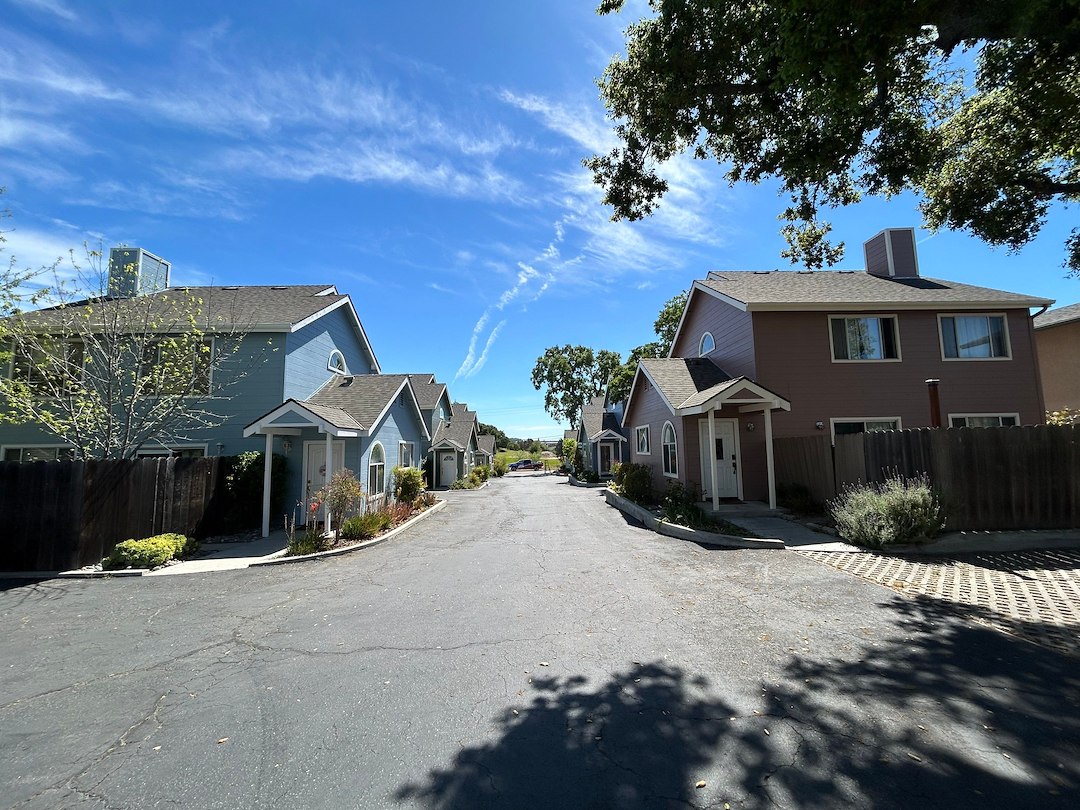
Project Overview This HOA townhome complex in Atascadero was ready for an update. Originally painted all one color, the community felt flat and lacked definition. The goal was to introduce a coordinated multi-color scheme to give each building more character while still keeping a cohesive overall look. Getting […]
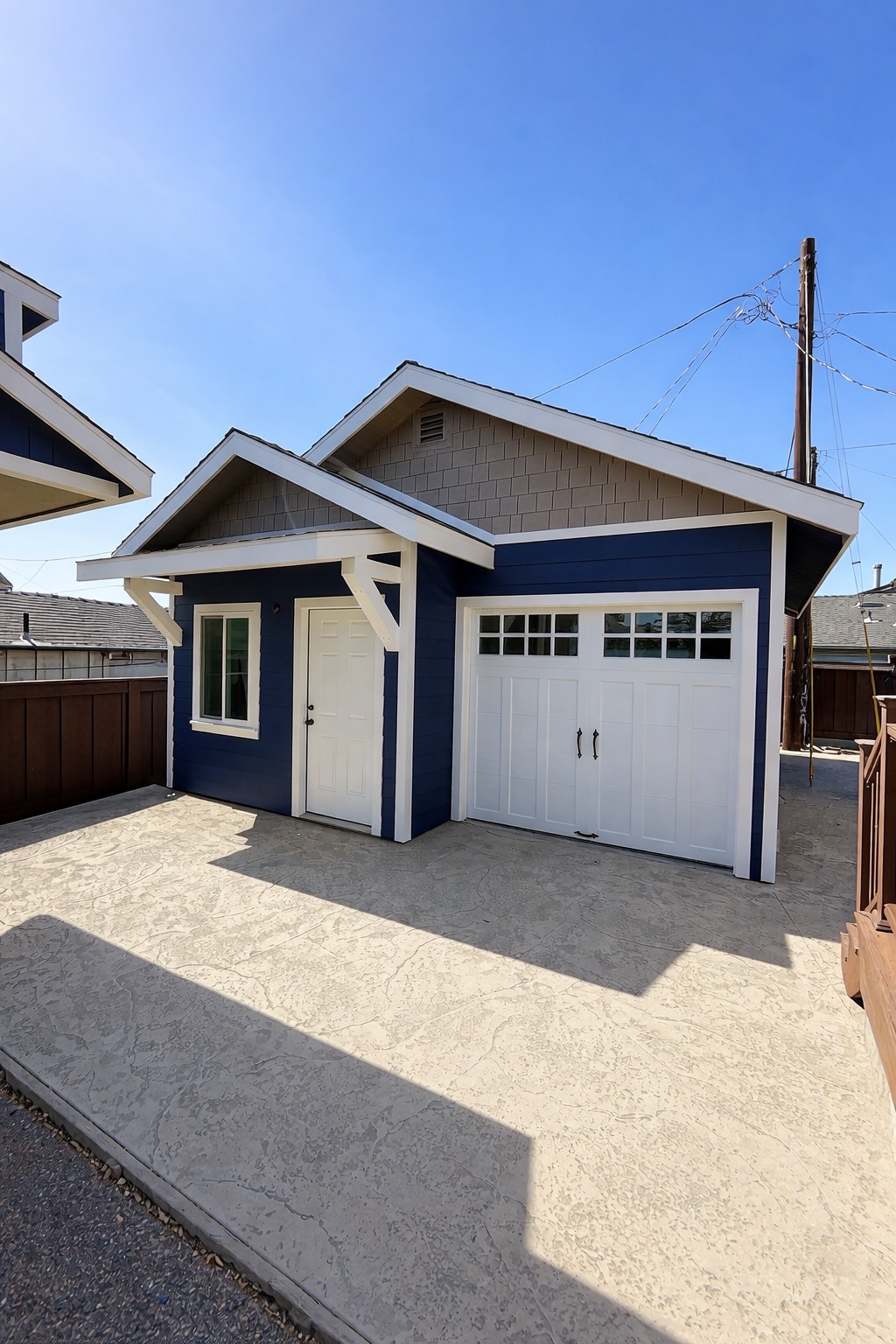
Exterior Painting Project Overview This project focused on completing the exterior finish of a newly constructed detached garage, designed to complement the main home while adding long-term durability and visual appeal. The goal was to create a bold yet timeless look that enhances the property’s overall design. Getting […]
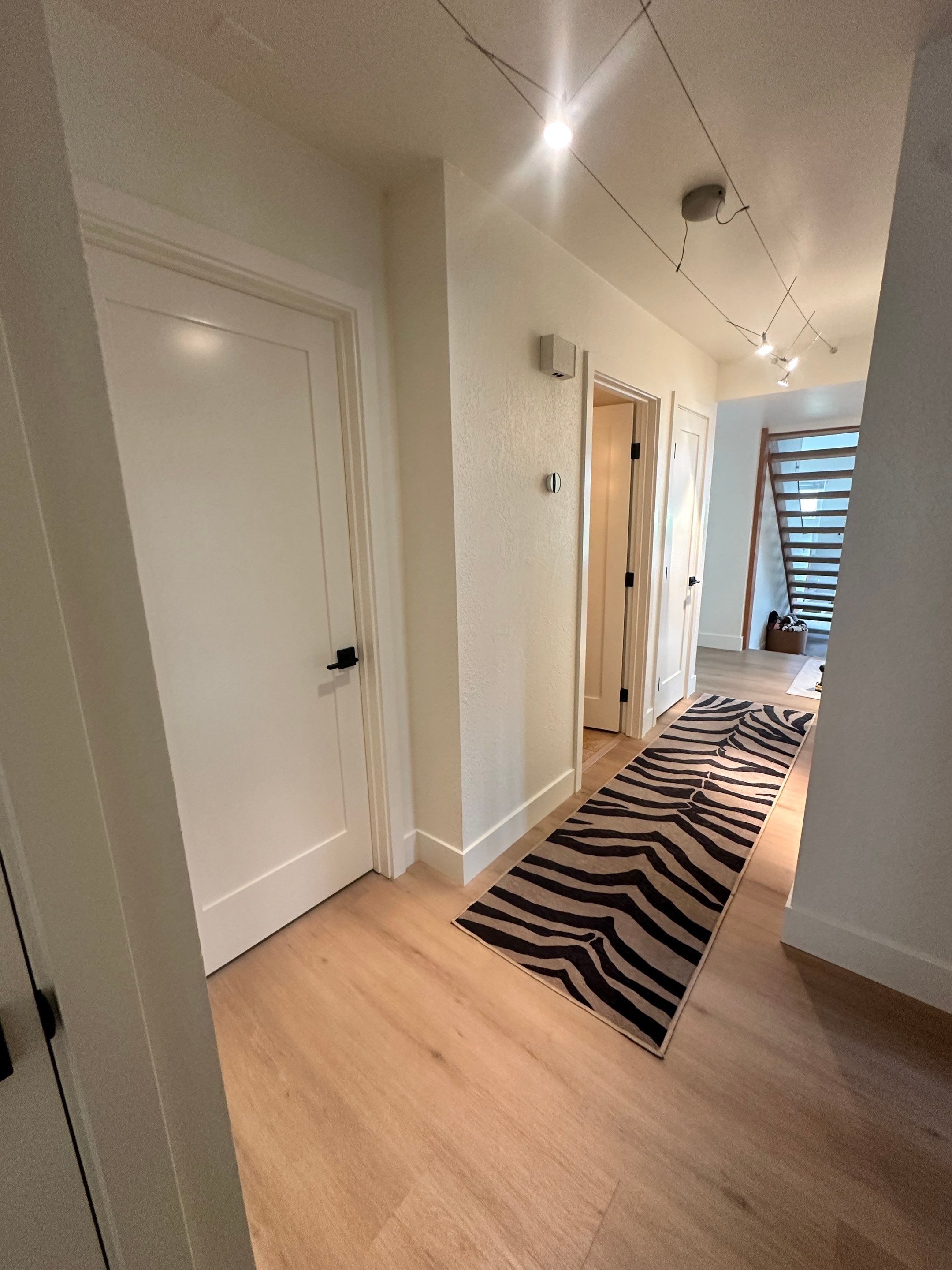
Sometimes a home doesn’t need a full repaint—just the right details refreshed to make everything feel clean and finished again. For this San Luis Obispo project, the focus was on updating several interior doors, trim, and entry details, along with a few small touch-ups. Our team carefully […]